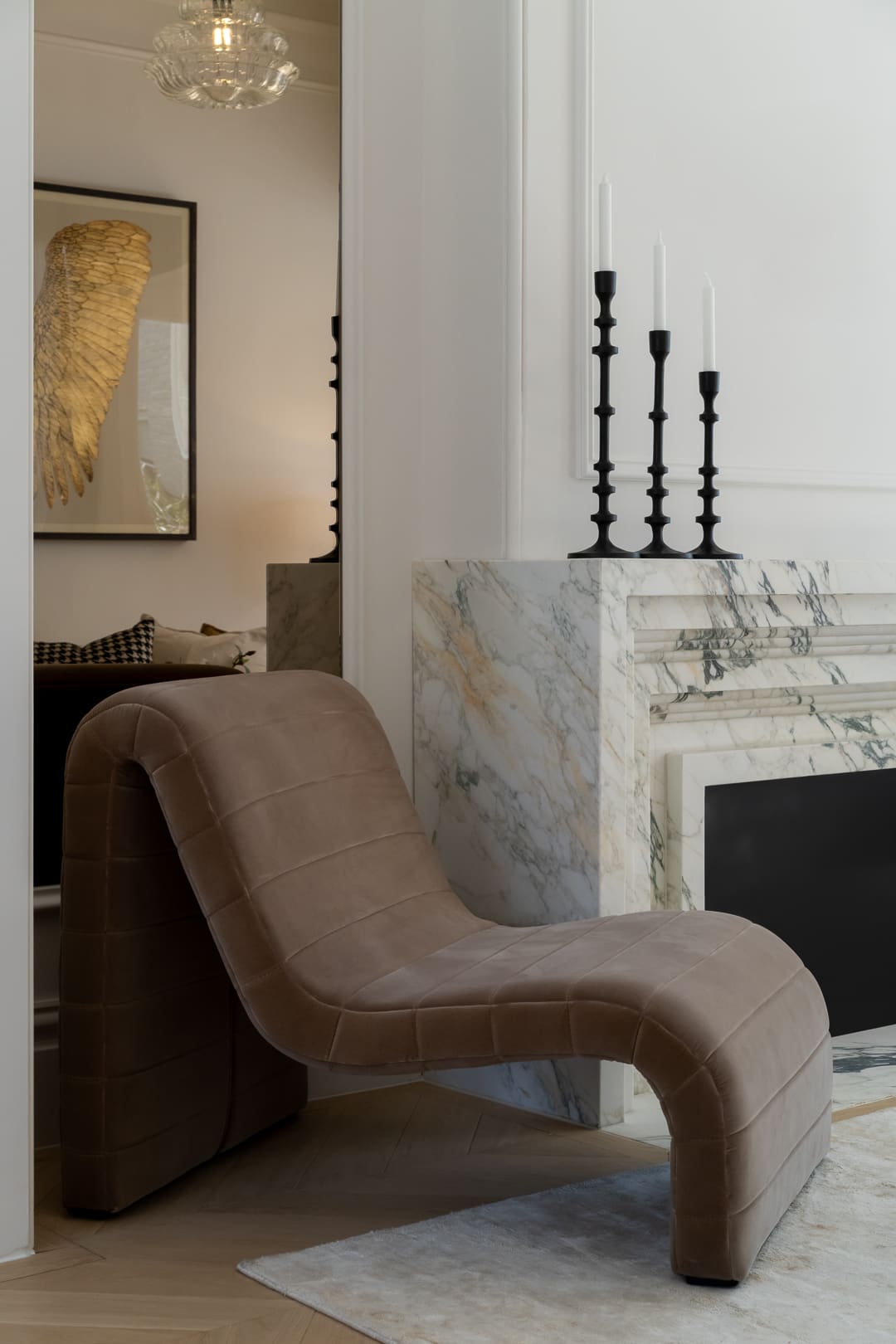
The architecture of human wellbeing.
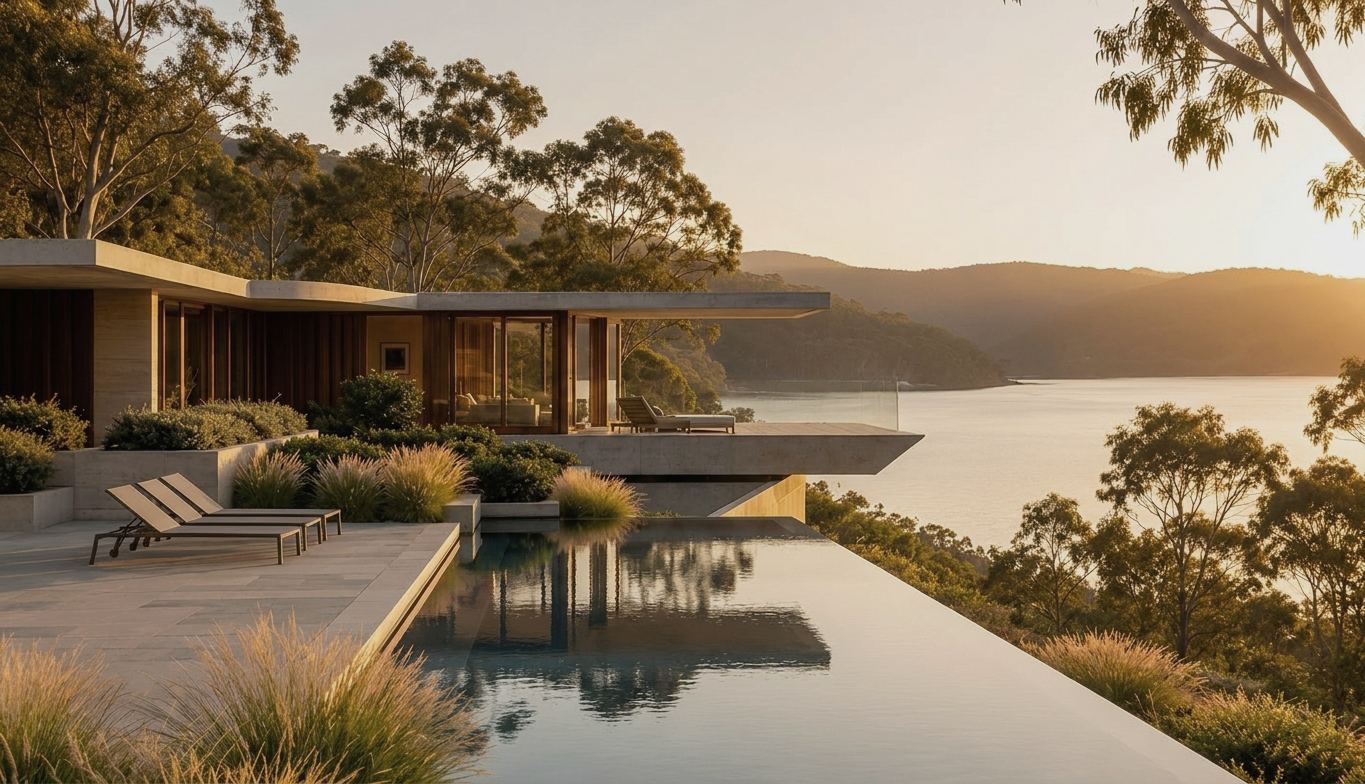
Our philosophy
BY SOMA designs around three connected conditions: the body, the mind, and the place a building belongs to. When these are considered together, architecture transcends being a mere object; it becomes a sanctuary for human wellbeing.
Our philosophy is structured around ten design conditions. These are not abstract concepts, but rigorous lenses we return to throughout the life of a project, from the initial reading of a steep natural slope to the smallest tactile detail of a door handle.
The body
How architecture supports the way we physically feel.
Architecture that honours our biology. Light, air, acoustic privacy, and authentic materials are not finishing touches; they shape how the body feels every single day.

Nature, light and air
A building must breathe. We shape spaces to hold shifting daylight, move fresh air, and seamlessly connect daily life to the living world outside.

Privacy, quiet and refuge
A well-designed building understands when to open and when to shelter, protecting those essential moments when the body needs to soften, recover, or simply be alone.
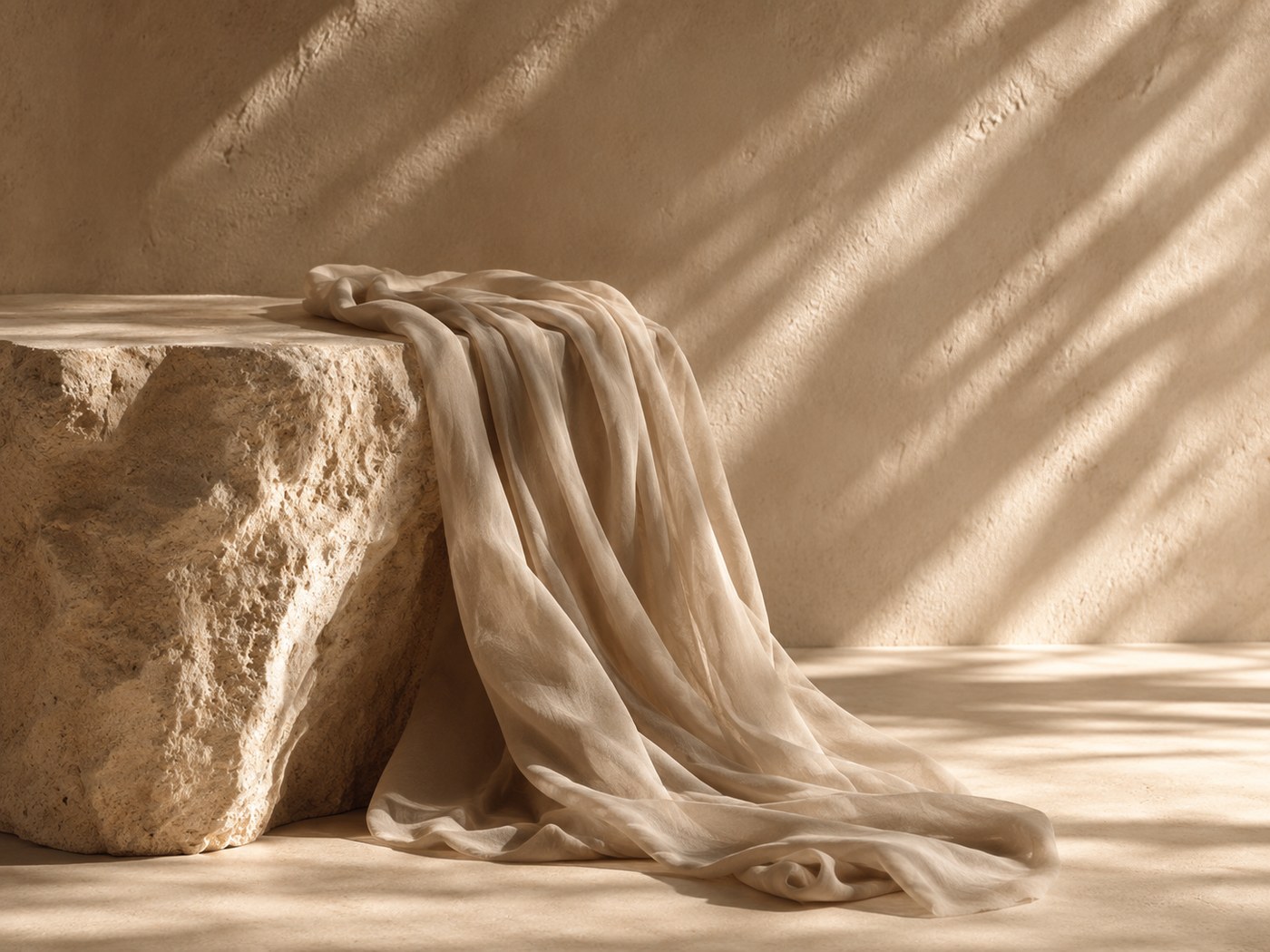
Sensory intelligence
We design for the entire sensory experience, ensuring a space offers softness where the body needs comfort, and absolute quiet where the mind seeks stillness.
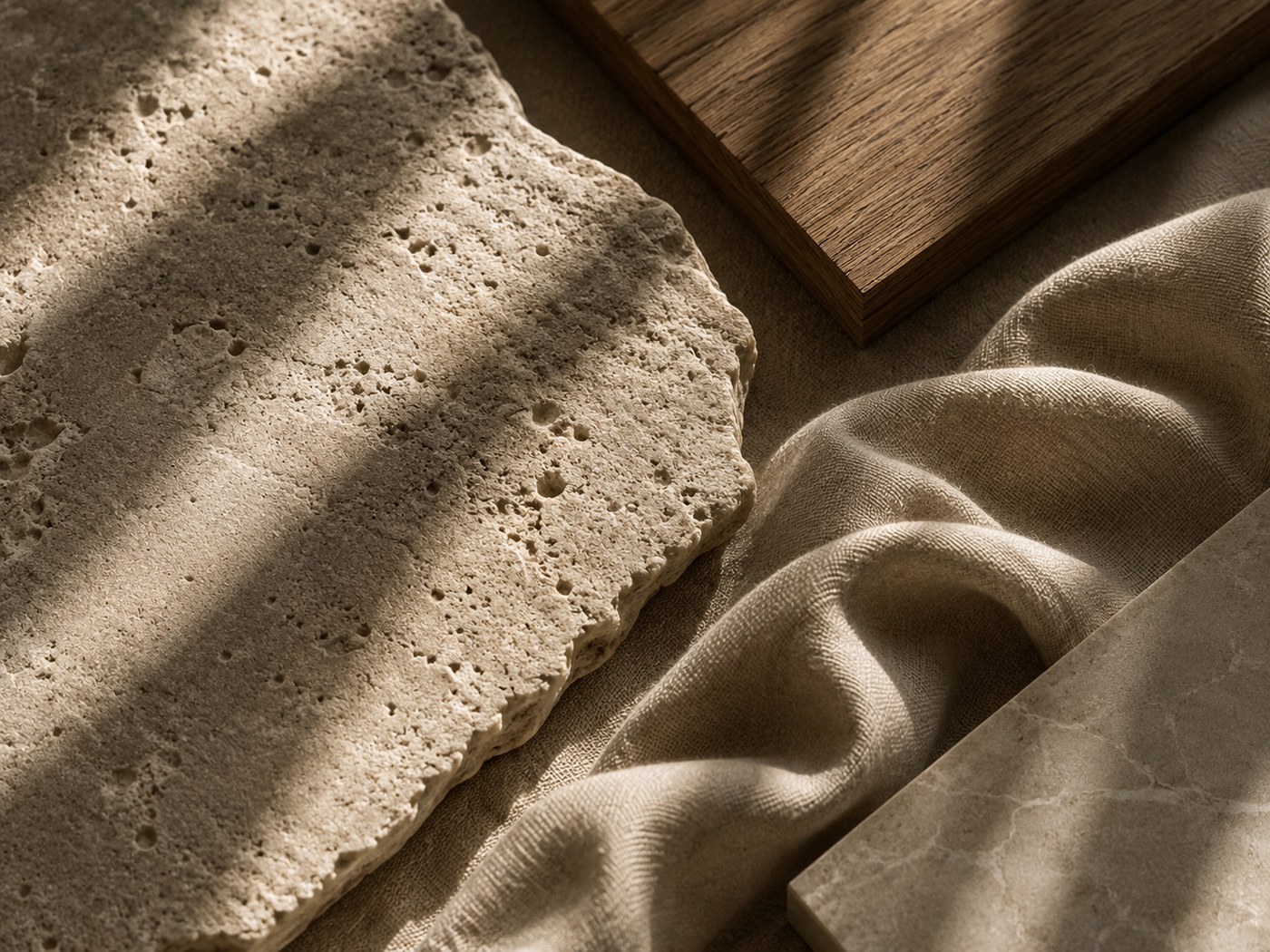
Natural and honest materials
We favour materials that age gracefully and reveal their true nature. Whether it is the cool weight of travertine and limestone, the warmth of oak timber, the quiet luxury of bronze accents, or the grounded permanence of sleek red brick, materials should offer a tactile richness to daily life.
The mind
How architecture settles, moves, and gives meaning.
Architecture that settles, moves, and gives meaning. Beyond physical comfort, a space must offer beauty, proportion, and quiet moments of awe that give a building its emotional depth.
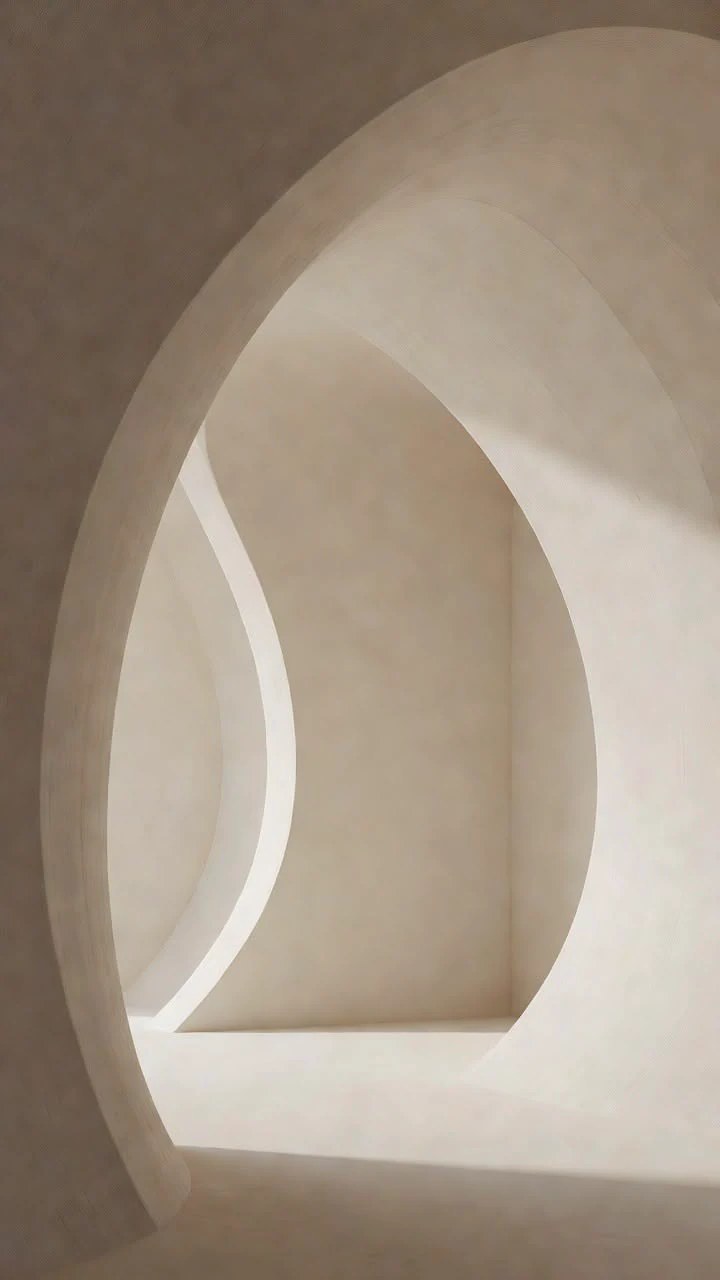
Spatial beauty, joy and discovery
We design for moments of quiet awe: a framed view reaching into the distance, a generous volume of space, or a subtle change in light revealed as you move through a room.
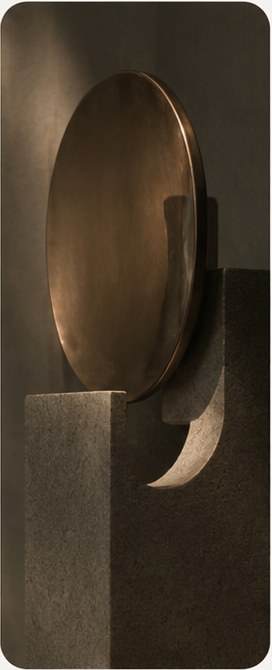
Meaning and story
Architecture finds its depth when it is specific to the people and the life it holds, carrying the memory, rituals, and emotional weight of its inhabitants.

Craft and care
Craft is how care becomes visible. The junction of a stone edge or the transition of a threshold tells you whether a building was merely assembled, or truly made.
The place
How architecture belongs to the world around it.
Architecture that feels of its place, not placed upon it. Every project begins by listening to the land, the climate, and the culture, seeking what should be protected and amplified.
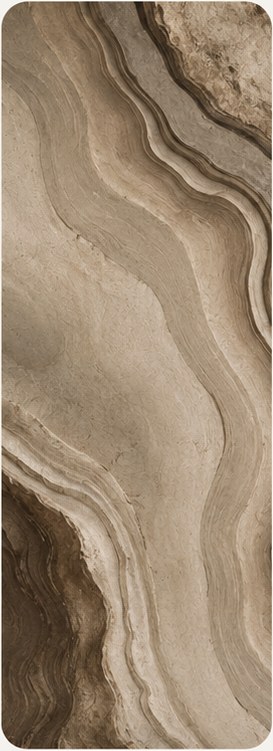
Of its place
We begin by observing what is already valuable: the existing trees, the prevailing breeze, the natural topography, and design to protect, frame, and extend those conditions.

Culture and heritage
We respect the history and rhythm of a neighbourhood, knowing that true architecture carries the familiar rituals of local life forward with care.
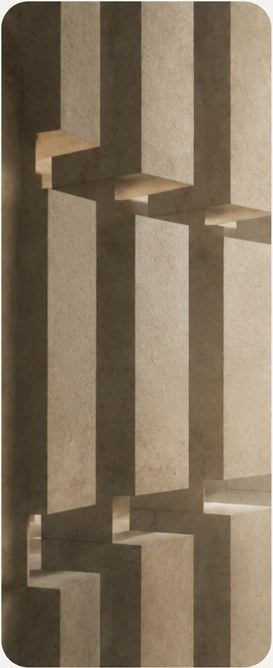
Longevity and adaptation
A building must endure. True responsibility means designing spaces that gain character over time, adapt to different stages of life, and resist the urge to be replaced.
Wellbeing is the measure.
Wellbeing, as we understand it, is not an aesthetic claim. It is the measurable result of decisions made early about light, sound, material, proportion, and the way a household actually inhabits a day. When those decisions are made with rigour, the home stops performing for the eye and begins working for the body.